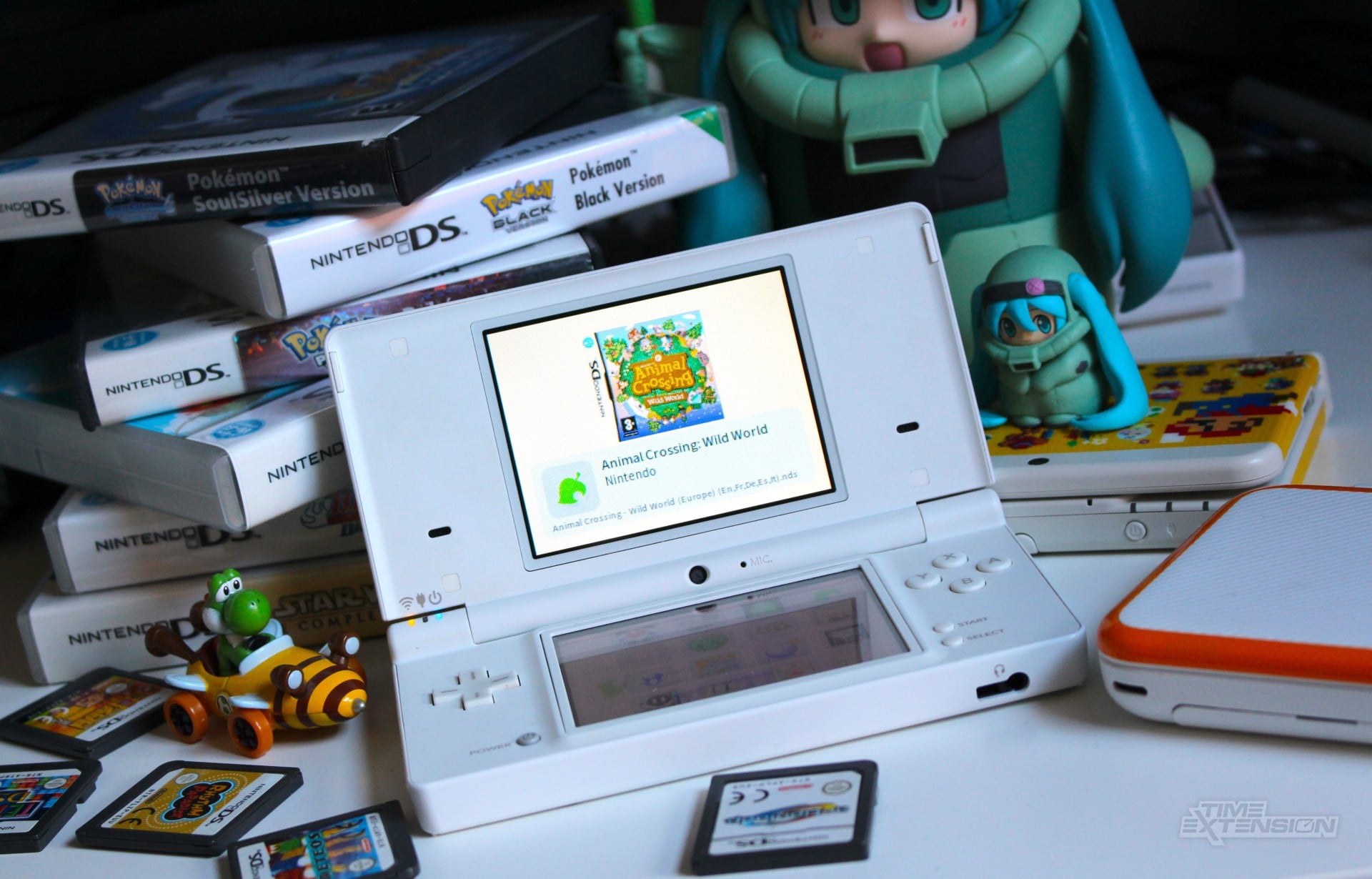
The Nintendo DS has always had a busy flash cart scene. Even when the handheld was still current, plenty of small cartridges appeared that could load game files from a memory card instead of using an original DS card. Many people knew these devices by the broad R4 name, even though quality varied a lot from one unit to another.
That old market could be messy. Some cards worked well, some were awkward to set up, and some were difficult to recommend because the software support was unclear or unreliable. Buying one often felt like a gamble, especially if the cart arrived with outdated firmware or with confusing setup instructions.
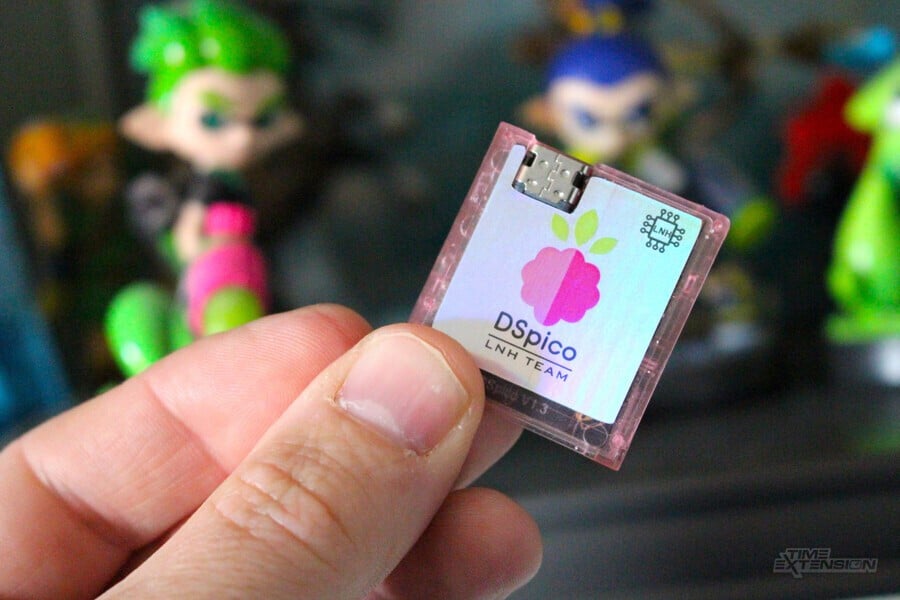
DSpico enters that familiar space with a much cleaner idea. Developed by the LNH team, it is both a Nintendo DS flash cart project and an app launcher project. The launcher side, Pico Launcher, is not limited only to DSpico either, as it can also be used on many existing flash carts.
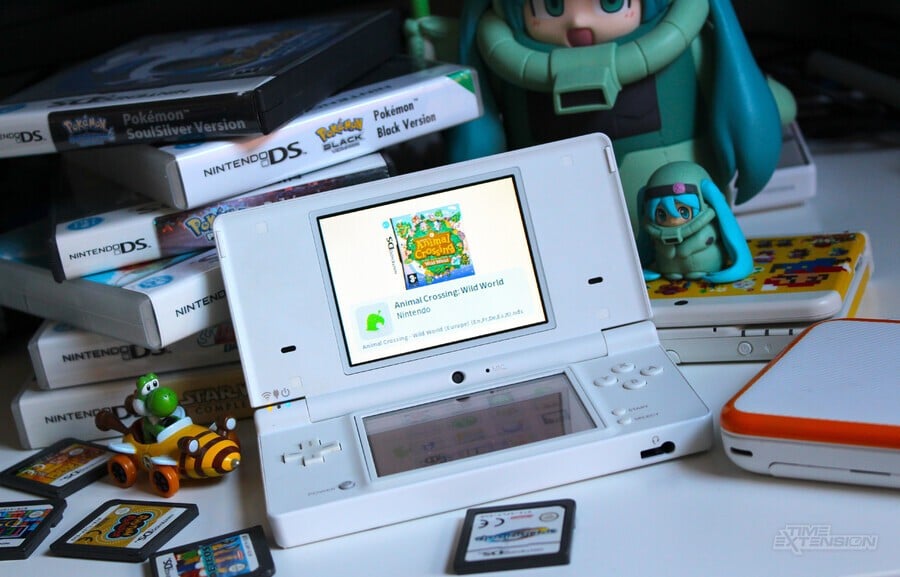
The big change is that DSpico is open-source. That matters for both software and hardware. Anyone can study the project, build on it, and help improve it over time. It also means other makers can adjust the physical design, which is why some versions may include newer touches that older R4-style carts never had.
Price is another major part of the appeal. DSpico units can be found from places such as AliExpress for around $10, and some listings can go even lower, close to five dollars. As with older flash carts, though, the cheapest option may bring a little extra setup work, especially around what firmware is already installed.
There are also slightly more polished options. One version sold by Phenom Mod costs $20 before shipping and includes a USB-C port built into the card itself rather than MicroUSB. That is a small hardware detail, but it shows why the open-source angle is useful: people are free to improve more than just the menu software.
Firmware Choice Matters
DSpico is not a single setup that fits every Nintendo handheld in exactly the same way. The firmware you use depends on the system you plan to run it on. There are two main firmware options: Hybrid and WRFUxxed. Picking the right one is part of the initial setup, so it is worth checking before copying files and expecting everything to launch.
DSpico Firmware Options
- Hybrid firmware works with the original Nintendo DS, an unmodified DS Lite, a modified DSi, and a modified 3DS. On 3DS, this is for booting DS games, not 3DS titles.
- WRFUxxed firmware is intended for an unmodified DSi or 3DS. It uses an all-access DSi-mode exploit.
- DSpico also supports ntrboot for 3DS and DSi, though not every user will need that feature for normal DS game loading.
Some users have run into problems with DSiWare titles, but the issue appears to be tied to the SD card rather than the DSpico card itself. If that happens, the suggested first step is to format the card as FAT32 and use the official SD formatter. If problems continue, a smaller-capacity SD card may be worth trying.
For standard DS game loading, the experience is much more straightforward. Tested games ran without problems, and the main requirement is that the ROM files are in .nds format. Once the files are in place, the games behave as expected on original hardware, rather than feeling like a fussy workaround.
Pico Launcher Feels Fast
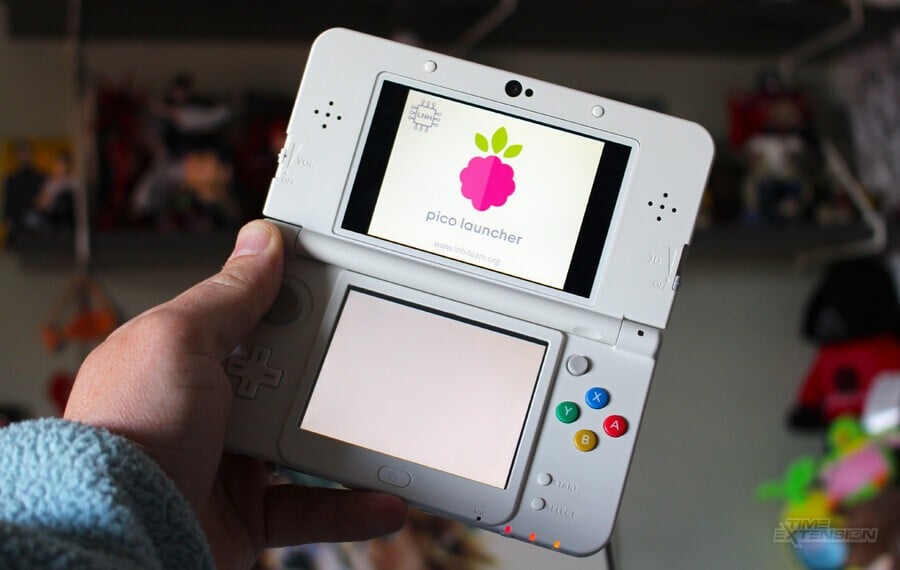
The user interface is one of DSpico's strongest points. Pico Launcher is clean, simple to move around, and able to show each game's cartridge icon in a way that feels familiar to anyone who used the normal DS menu. It keeps the retro feel without making the browsing process slow or cluttered.
There is also room for a little visual polish. PicoCover can read the MicroSD card through a web-based interface and download cover artwork for games, which then appears in Pico Launcher's browser. It is not required, but it makes a loaded library easier to scan and gives the menu a more finished look.
Compared with the software many R4 users have put up with over the years, Pico Launcher is notably quick. It responds fast in the menu and loads games from the MicroSD card without the heavy drag that older flash cart software could bring. DSpico is also designed with low power use in mind, with the project team giving an average figure of around 57 mW.
For Z-retro, DSpico looks like a practical modern option for people who want to explore the Nintendo DS library on original hardware, especially now that official DSiWare access is gone and new physical DS games are no longer sold by Nintendo. It still asks users to understand firmware, file formats, and SD card setup, but its open-source design, low cost, and fast launcher make it one of the more interesting DS accessories around today.